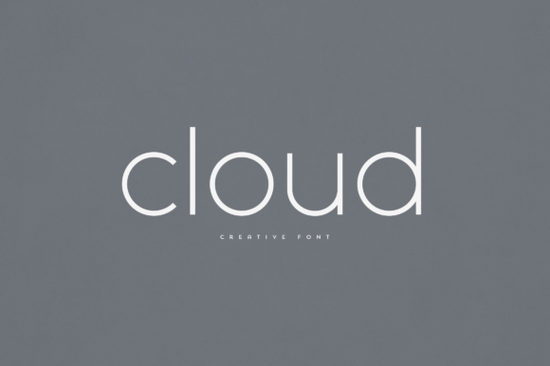
If you're looking for a clean, modern sans serif that adds subtle personality without overwhelming your design, the Cloud Font is worth a closer look. It strikes a nice balance between minimalism and character ideal for everything from logo mockups to product labels or social media graphics. Whether you’re a small business owner crafting your brand identity or a print-on-demand seller refreshing your shop listings, Cloud offers clarity with just enough flair to stand out.
What makes Cloud Font work well for real-world projects?
Cloud Font’s strength lies in its understated elegance. The letterforms are open and airy, which improves readability even at smaller sizes great for packaging or apparel tags. At larger scales, like headlines or banners, it holds its own without needing heavy styling. Its neutral tone pairs effortlessly with both bold photography and minimalist layouts, making it adaptable across industries: think skincare brands, boutique coffee labels, or wellness blogs.
Unlike ultra-thin or overly geometric fonts that can feel cold or hard to read, Cloud maintains warmth through gentle curves and consistent stroke weights. This makes it especially useful if you’re designing for audiences who value approachability like handmade goods, local services, or lifestyle content.
How does it compare to other versatile sans serifs?
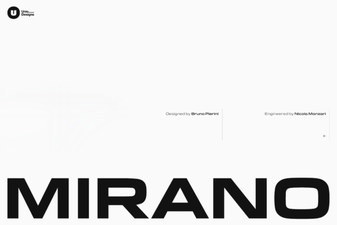
If you’ve used fonts like Adventure, you’ll notice Cloud leans more refined and less rugged it’s smoother, with fewer distressed edges. On the other hand, if you’ve worked with something as bold and extended as Mirano Extended, Cloud offers a quieter, more restrained alternative that still commands attention through spacing and proportion rather than exaggerated width.
All three Cloud, Adventure, and Mirano are part of Creative Fabrica’s growing collection of thoughtfully crafted sans serifs, each serving different moods. Cloud sits comfortably in the middle: not too casual, not too corporate. That versatility is why it shows up so often in mockups for stationery, digital templates, and even embroidery designs where legibility matters.
Where should you actually use Cloud Font?
Here are a few practical applications where this font consistently delivers:
- Branding & logos: Its clean lines work well for startups or solopreneurs wanting a modern but friendly identity.
- Product packaging: Especially effective on matte or kraft paper textures where subtlety enhances perceived quality.
- Social media quotes or overlays: Doesn’t compete with background images; lets your message breathe.
- Print-on-demand items: T-shirts, mugs, or tote bags benefit from its balanced weight visible but not shouty.
- Editorial headers: Magazines or blogs use it for section titles that need to be scannable yet stylish.
One thing to note: while Cloud includes standard uppercase and lowercase characters, check whether your version supports numerals, punctuation, and language-specific glyphs if you’re working internationally. Most Creative Fabrica font files come with OpenType features, but it’s always good to preview before finalizing a client project.
Is Cloud Font beginner-friendly?
Absolutely. You don’t need advanced typography skills to get good results. Because it’s a single-style sans serif (not part of a large variable family), there’s less decision fatigue you pick it, apply it, and tweak spacing if needed. For crafters using Cricut Design Space or Silhouette Studio, the clean outlines cut cleanly without stray pixels or jagged edges.
And if you ever want to explore similar options later, browsing related styles like other cloud-inspired or soft-edged sans serifs on Creative Fabrica can help you build a cohesive toolkit over time.
For reference, you can view the original listing for this typeface here: Cloud Font.
Before you download quick checklist
- Confirm your license covers your intended use (personal, commercial, or POD).
- Test the font at your actual output size sometimes delicate details disappear when scaled down.
- Pair it with plenty of white space; it shines when not crowded.
- Consider using it for headings while pairing with a simpler body font (like system defaults) for contrast.
If you’re building a brand kit or template library, adding Cloud Font gives you a reliable go-to that feels current without chasing trends. Sometimes, the best creative tools aren’t the loudest they’re the ones that quietly make everything else look better.
Try It Free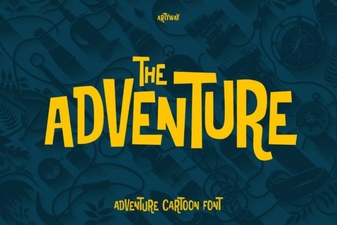 Best Adventure Fonts for Creative Projects
 Mirano Extended Font: Design Tips & Creative Projects
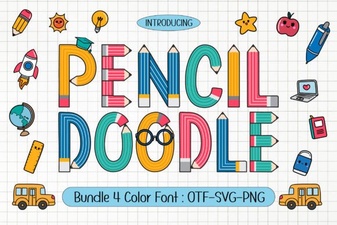 Spark Your Design Ideas with a Doodle Font
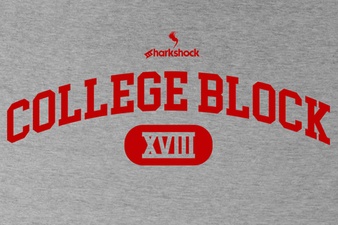 College Font Designs for Classroom Projects
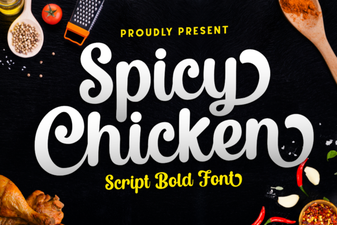 Spicy Chicken Font Designs for Vibrant Projects
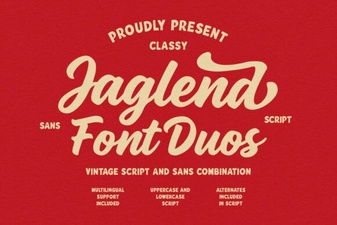 Jaglend Duo Font for Creative Web Design